
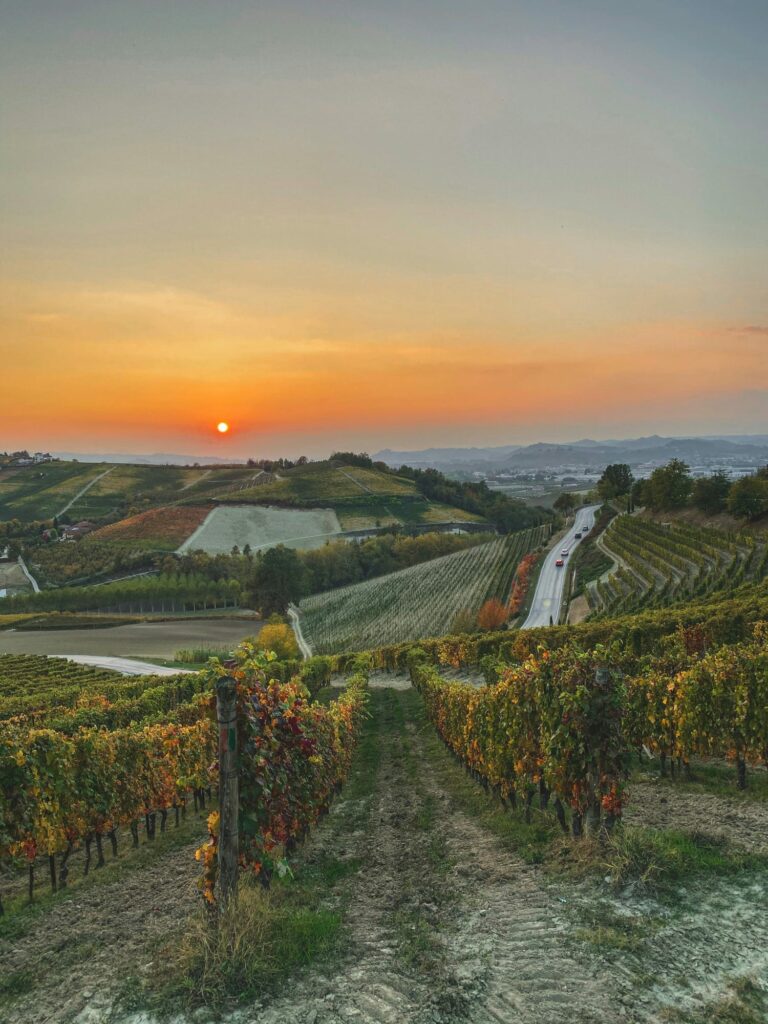
Wine has always been more than just a drink — it’s a product of geography, culture, and craftsmanship. But getting wine from the vineyard to the drinker has never been simple. Over the centuries, the transport and storage of wine have shaped not just its quality, but also trade, tradition, and even technology. Here’s how the journey from grape to glass has evolved through time.
Ancient Amphorae and Maritime Routes
In ancient Greece and Rome, wine was stored and transported in clay amphorae — tall, narrow-necked vessels sealed with resin or wax. These containers were ideal for stacking on merchant ships and allowed early civilizations to export wine across the Mediterranean. Wine was a valuable trade commodity, often diluted and consumed daily by all social classes.
Barrels and the Middle Ages
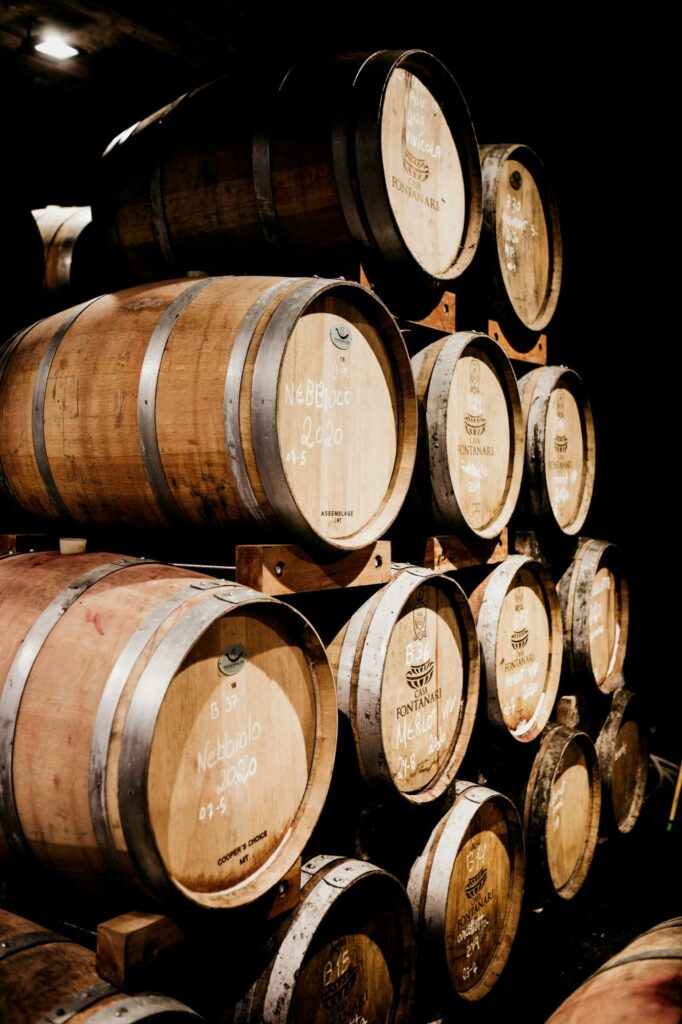
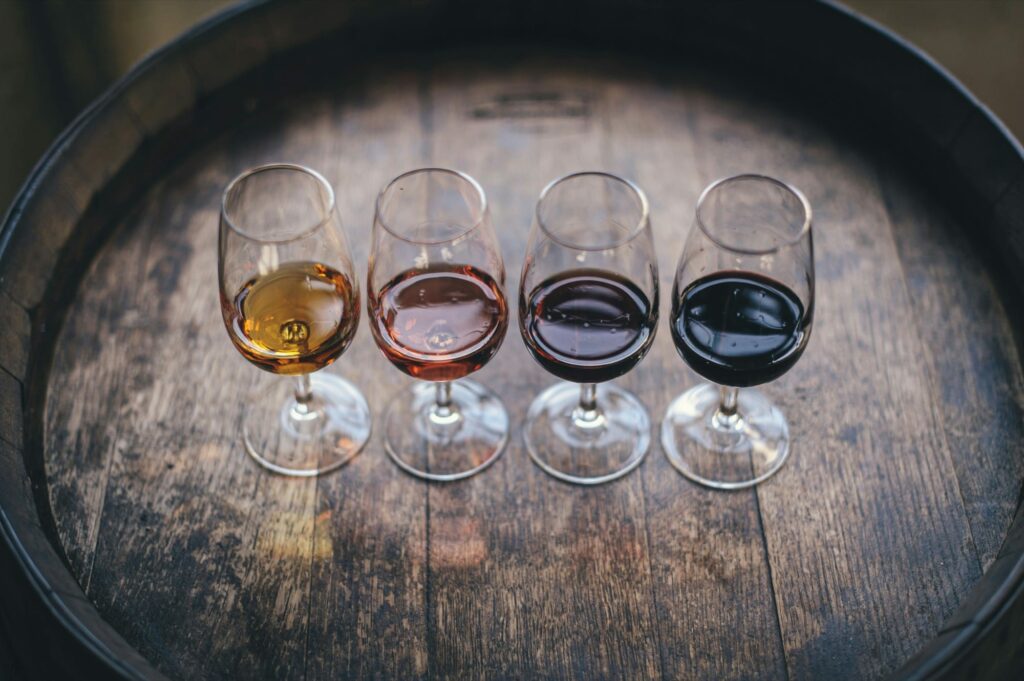
With the rise of the Roman Empire and later in medieval Europe, wooden barrels — particularly oak — became the dominant form of wine storage and transport. Invented by the Celts and perfected by coopers, barrels were durable, easier to roll, and influenced the taste of wine. This era marked the beginning of aging wine in wood, a practice that would transform the industry forever.
Bottles, Corks, and the Birth of Cellaring
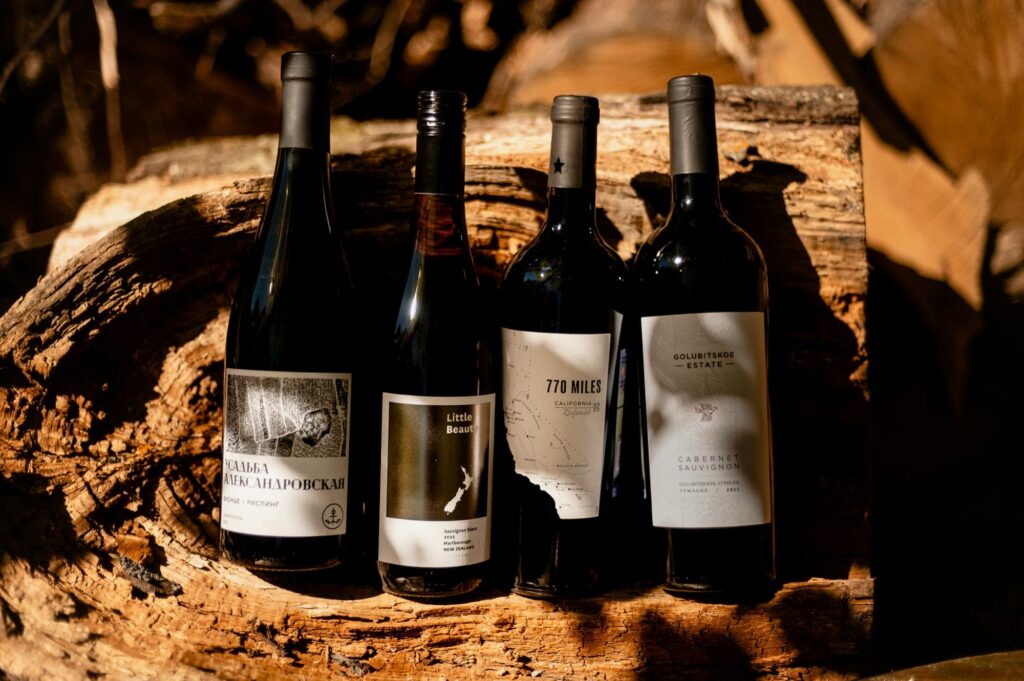
Glass bottles and natural corks emerged in the 17th century, revolutionizing wine storage. For the first time, wine could be stored in smaller quantities, sealed tightly, and aged with control. This shift gave rise to the concept of cellaring, and wine became a collectible, not just a consumable. Still, bottles were expensive and inconsistent in size until standardisation came in the 19th century.
Trains, Ships, and Global Commerce
The Industrial Revolution introduced railways and steamships, allowing faster and broader distribution of wine. Export markets boomed, and entire regions — like Bordeaux, the Barossa, and Napa — built reputations abroad. Wine was shipped in barrels or bulk and bottled closer to its destination. Global commerce made wine more accessible but also demanded new standards in hygiene and consistency.
Today’s Tech – Temperature, Traceability, and Sustainability
Modern wine transport is a high-tech operation. Temperature-controlled containers, real-time tracking, and inert gas blanketing ensure wine arrives in perfect condition. Eco-conscious wineries now favor lightweight bottles, bulk shipping with local bottling, and carbon-offset logistics. Today’s wine travels farther than ever before — but with precision, care, and a nod to its ancient roots.