
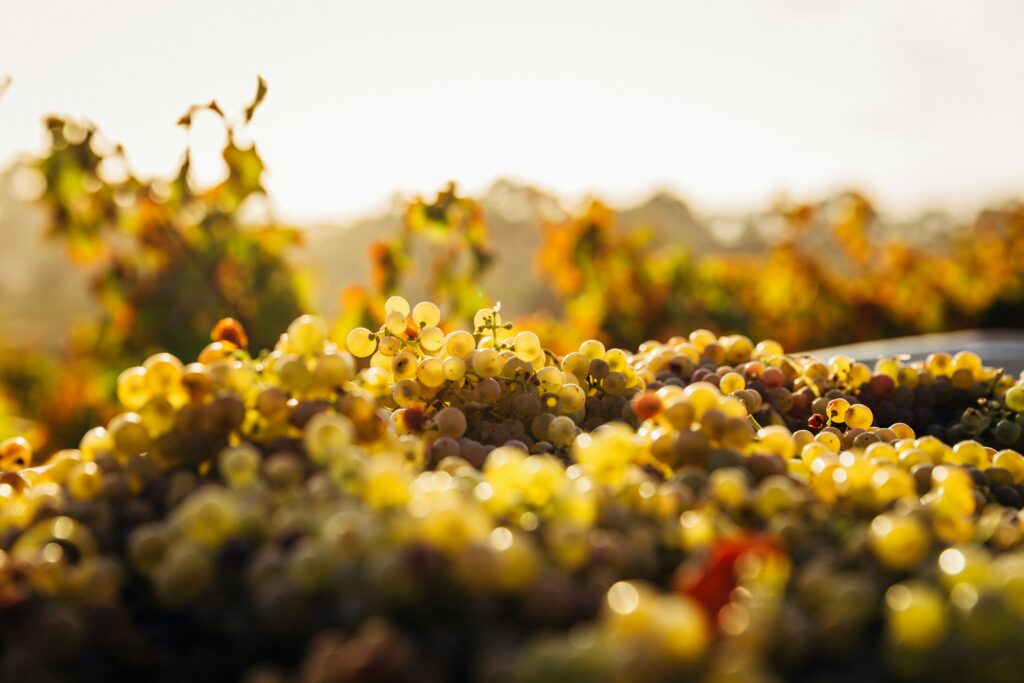
Why Chenin Blanc thrives in warm, maritime conditions is zesty acidity, texture options, and perfect seafood pairings.
Introduction
Crisp, versatile and dependable, Chenin Blanc ripens generously while holding a mouth‑watering line of acidity. In warm sites moderated by afternoon breezes, it shows citrus and orchard fruit at low alcohols, or creamy, honeyed depth when raised on lees and oak. That range makes it unusually adaptable: picnic white, weeknight all‑rounder and fine‑dining partner in richer expressions. With seafood it sings; with chilli it stays bright; with roasted poultry it adds breadth without weight. This guide lays out styles to expect, how to taste them intelligently, and how to place the right bottle on the right table without overthinking the choice.
Styles & Structure
Dry expressions lead with lemon, lime and green apple, sometimes a faint saline twang from sandy or river‑adjacent soils. The finish snaps clean, and that tension is the reason simple dishes—grilled fish, shellfish, salads taste more vivid alongside it.
Lightly off‑dry bottlings carry a gram or two of residual sugar that cushions acidity without reading as sweet. They tame chilli and salt, keeping spice lively rather than punishing and preventing palate fatigue across shared plates.
Lees‑worked or oak‑touched Chenin trades citrus for baked apple, chamomile and brioche notes. Texture becomes the point: mid‑palate weight, silky length and a calm, savoury finish that handles roast chicken, pork and herbed vegetables.
Tasting Like a Pro
Check acidity first. If your mouth waters within seconds, you have a natural partner for fried foods, creamy sauces and lemon‑driven flavours. That refreshing ‘pull’ is Chenin’s calling card.
Smell twice. Start cool, then let the wine warm a little in the glass; lanolin and honey often appear with oxygen and temperature, giving a more three‑dimensional read than the first citrus hit.
Oak should support, not dominate. If vanilla and toast push fruit aside, the élevage is loud. Balanced examples feel textural rather than woody.
Food & Occasion
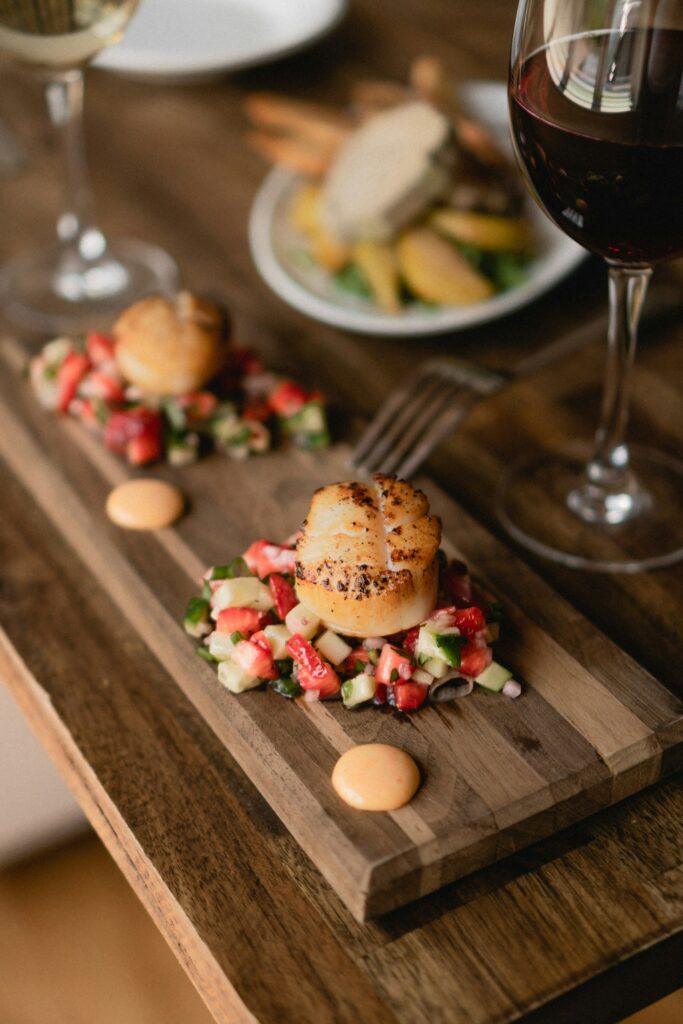
Oysters, prawns and grilled white fish adore the citrus‑saline profile of dry Chenin; lemon, capers and dill echo its high notes. For spice‑heavy dishes, a lightly off‑dry style keeps momentum without heat spikes.
At weekend lunches, pair oak‑kissed Chenin with roast chicken or pork and a tray of root vegetables. Acidity cuts through richness while texture carries herbs and pan juices.
For cheese, reach for chèvre or bloomy rinds. The interplay of lactic cream and bright citrus is unfailingly graceful.
Deep Dive & Examples
Chenin Blanc often rewards a brief pause between sips. Let the wine sit for a minute, swirl, then smell again; oxygen and a few degrees of warmth unlock a second layer of aroma that wasn’t obvious at first.
When comparing two glasses in chenin blanc, alternate takes in small sips rather than draining one then the other. Your brain detects contrast better in quick succession, revealing differences in acidity, tannin grain and texture.
Glassware matters more than most people think. A clean, tulip-shaped stem focuses aromas for chenin blanc and keeps the rim narrow enough to guide wine to the centre of the tongue, where structure reads cleanly.