

Discover the Traditional Method: a secondary fermentation process in the bottle that creates the finesse and complexity of world-class sparkling wines.
A Two-Stage Fermentation: The Foundation of Premium Sparkling Wine
Unlike still wines, the traditional method sparkling wine process — also known as the Champagne method — relies on a precise double fermentation. After the initial grape juice is transformed into a structured base wine, a carefully measured liqueur de tirage (a blend of sugar and selected yeast) is added before bottling. This essential stage initiates the secondary fermentation in bottle, known as prise de mousse, where natural carbonation develops inside the sealed glass. It is this in-bottle fermentation that creates the fine bubbles, texture and pressure characteristic of high-quality sparkling wines, transforming a still base into refined sparkling wine.
Lees Aging and Autolysis: Building Complexity and Texture
Once secondary fermentation is complete, the bottles rest horizontally during a crucial period known as aging on the lees. During this extended maturation, the yeast cells break down through autolysis, gradually releasing compounds that enhance structure and aromatic depth. This process contributes signature notes of brioche, toasted bread, almond and hazelnut while improving mouthfeel and bubble finesse. Lees aging is fundamental in defining the texture, elegance and complexity of premium traditional method sparkling wines.
The Ritual of Riddling
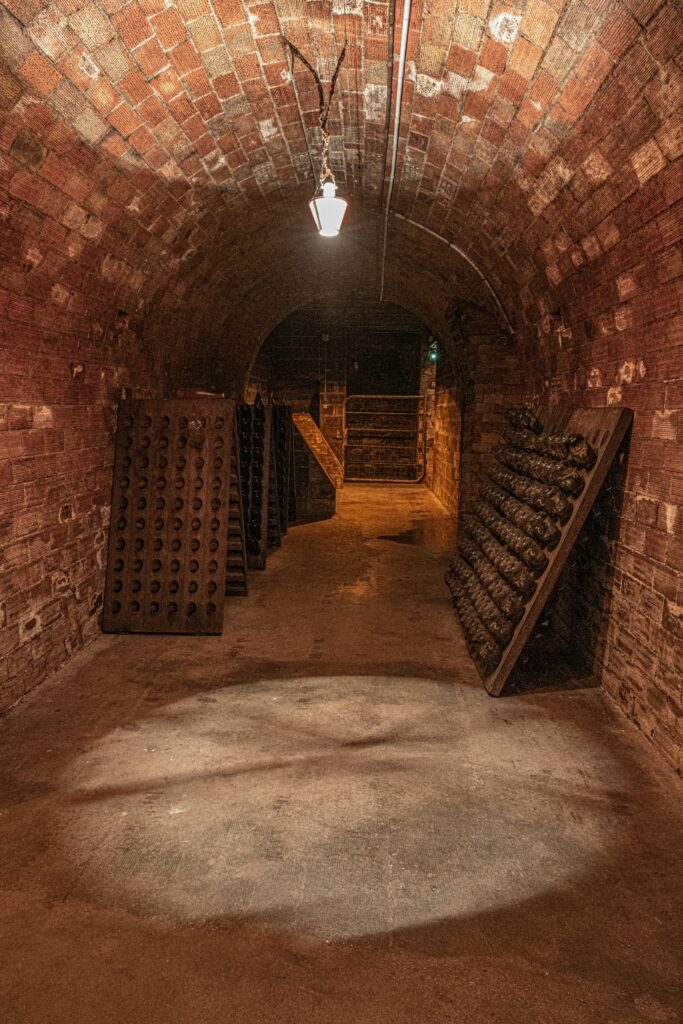
To remove the yeast sediment without clouding the wine, riddling (or remuage) is performed. Bottles are placed on racks and tilted neck-down. Through gradual rotations, the sediment slides toward the neck. While traditionally done by hand, this is now often automated using gyropalettes to ensure clinical precision and consistency.
Disgorgement and Dosage: The Final Precision in Traditional Method Sparkling Wine
The final stage in the traditional method sparkling wine process is disgorgement, a precise operation that removes the sediment accumulated during lees aging. After months or years of maturation, the bottle neck is frozen to trap the yeast deposit, which is then expelled under pressure in a controlled release. This critical step ensures clarity while preserving carbonation, maintaining the purity and structure of the sparkling wine.
Before the final corking, a measured addition of liqueur d’expédition is introduced. Known as dosage, this blend of wine and sugar determines the sparkling wine’s final sweetness level, from Brut Nature and Extra Brut to Brut, Extra Dry or Demi-Sec. Dosage plays a decisive role in balancing acidity, enhancing texture and refining the overall harmony of the wine. It is the final adjustment that shapes style, elegance and consumer perception in premium sparkling wines.
A Global Standard of Prestige
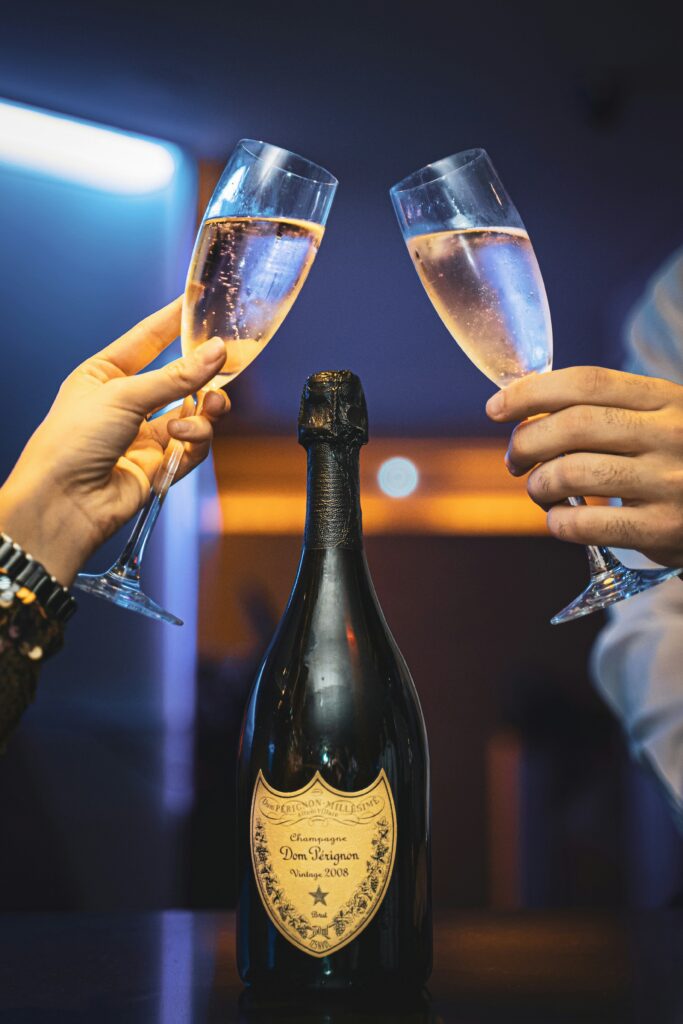
While famously associated with Champagne, the “Traditional Method” label protects a craft used for Crémant, Cava, and Franciacorta. It stands apart from the ancestral method (single fermentation) through its technical rigor and ability to produce elegant, age-worthy wines that remain the ultimate symbols of celebration.
The Intersection of Chemistry and Heritage
Beyond the simple mechanics of carbonation, the traditional method represents a sophisticated mastery of biochemistry and pressure. Inside each bottle, the pressure can reach up to 6 atmospheres, requiring specialized heavy-duty glass to prevent breakage. This environment facilitates a unique interaction between the wine’s acids and the proteins released by the yeast, a chemical dance that simply cannot be replicated in large stainless steel tanks. Historically, this method evolved from a dangerous “accident” in cold cellars to a precise science, refined by figures like Madame Clicquot, who invented the riddling rack.